The lifeguard training programs are designed to make you prepared so that they can handle all kinds of emergencies at the pools and beaches. It also trains them to keep discipline while keeping an eye on people for water hazards.
The American Lifeguard Association has been one of the most reputable organizations for providing lifeguard training for over three decades. They are often quoted on national news tv and print media for their suggestions and expert opinion on water safety. In this article, we will talk about some of the main targets of lifeguard training.
Before starting our discussion on what this training includes, let us talk a little about what a lifeguard is and why they need a certified training program to be accepted for a job at key private and public aquatic facilities.
What is a lifeguard?
There are different definitions of this term when we take it into detail meaning of this term but generally speaking; there is one small and most common definition which can answer this question with simplicity. So what is a lifeguard?
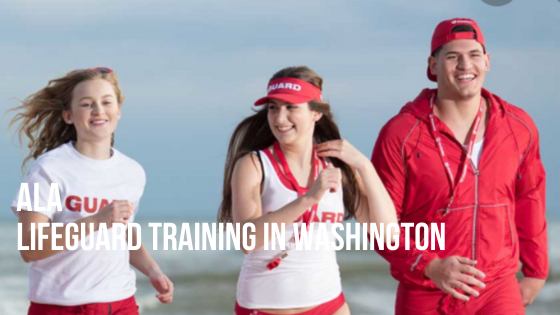
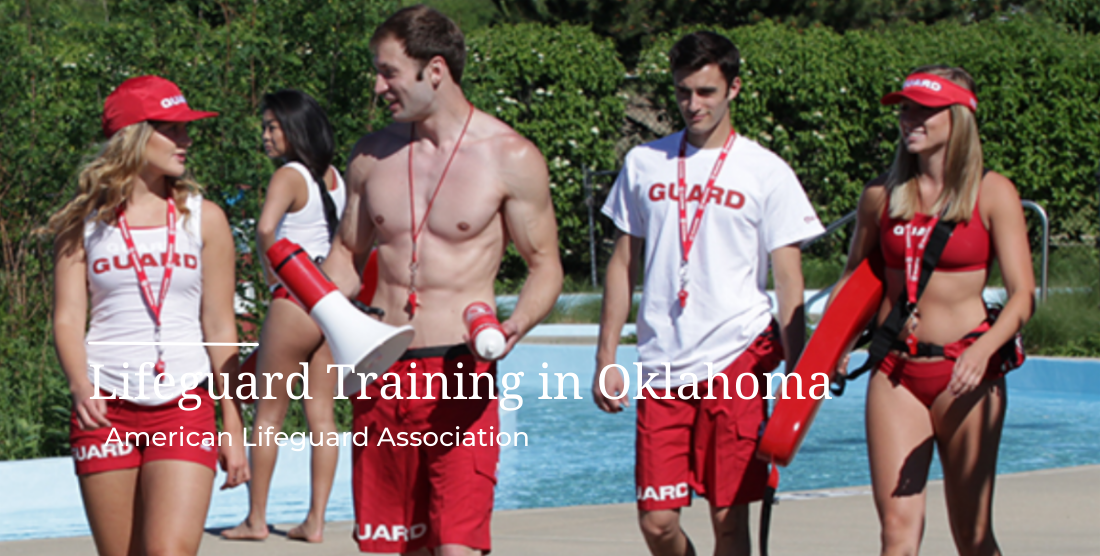
A lifeguard is a trained individual who keeps an eye on and around the area where people come to swim. This area can be a water park, swimming pool, or beach. The lifeguards keep you confident by having some professionals around while having fun in the water. They are dressed in bright red swimming suits and are equipped with first aid kits and rescue tubes.
They sit on a high chair, sometimes with binoculars in their hands, and watch for any water emergencies and swimming hazards. They are trained persons who are always attentive and ready to handle these situations professionally.
With this brief and general description of a lifeguard, let us talk about the certification in lifeguard training and why certification is necessary. And even before going into its importance or its necessity, we have to know what we are talking about when we use the term ‘certified’ in any training program, and a lifeguard is no different.
What is a certified lifeguard training program?
Local swimming pools, resorts, and beaches often hire certified lifeguards to provide lifesaving services. A certified lifeguard training program is designed to train individuals who want to work as a lifeguard. The course teaches the skills needed to respond to emergencies and assist in swimmers’ rescue.
Certified lifeguards must complete a training course that includes CPR and AED certification. They also have to pass a written exam, which tests their knowledge of swimming safety.
Why is certified lifeguard training necessary?
Lifeguards play a vital role in keeping our water safe for swimming. The job of a lifeguard is to protect swimmers from drowning and other dangers in the water, including sharks, rip currents, and other hazards. A lifeguard also educates people about how to be safe in the water. The National Recreation and Park Association (NRPA) requires all lifeguards to be certified. NRPA certification ensures that lifeguards are trained to the highest standards and have a solid understanding of the water safety guidelines.
Why Certification is Important?
Universal Certification is important because it demonstrates to employers that you have the right skills, training, and knowledge required to work as a lifeguard. It will also give you the confidence to take on any new role, which can help your career. There are different types of lifeguard jobs; with the certificate, you get into professional, and then at work, you can polish your skills and make your way to the more opportunities available at your workplace.
Certification allows you to prove your competency and expertise in a specific area of work and show you are committed to continuing education.
Targets of a certified lifeguard training program
The lifeguard training course is designed to make individuals interested in becoming lifeguards, mentally and physically strong and disciplined. The course is designed to teach the lifeguards the basic skills required to provide lifeguarding services on swimming pools and beaches. The course will also teach the individual about safety procedures, first aid, CPR, and other lifesaving techniques.
The training course is designed to give the lifeguards an overall knowledge of their environment. This course is divided into parts. The first part of the course will be dedicated to lifeguard awareness and training on first aid procedures.
Let us talk very briefly about some of the most important things being taught in a certified lifeguard training program: First aid and CPR training.
As a Lifeguard, you will be expected to provide assistance to the public. In an emergency, you need to think on your feet. The best way to get a head start is to take an emergency first aid course.
Lifeguards must receive training to ensure they can provide emergency medical care to people who come into contact with their lifeguard services. In some states, this is required by law. In other states, it is voluntary. In addition to providing first aid to individuals who have been in accidents or are ill, lifeguards also work with swimmers to ensure they have safe swimming conditions.
A quick and short answer would be that CPR training is designed to teach individuals how to perform cardiopulmonary resuscitation.
CPR training aims to save lives by teaching rescue breathing and how to performing CPR on people whose heart has stopped,
According to the US Labor Department, the American Lifeguard Association offers similar training courses as the American Red Cross.
Also Read About: What to Look for in a Good Lifeguard Class and Training Program
Conclusion:
Being a lifeguard is an important and serious job that does need trained individuals. Lifeguarding means saving lives; therefore, swimming pools and beaches must have people certified in lifeguard training from a national organization.
There are some required criteria to meet to enroll in this training program. The American Lifeguard Association is offering its course to train lifeguards all over the world, and they are counted as equal to Red Cross when it comes to training lifeguards.
If you are looking for professional lifeguard training near you, visit American Lifeguard Association (ALA) to learn about the basic requirements for the registration to become a lifeguard.